

Welcome to your member insights portal.

Your essential resource center as an industry leader seeking knowledge and innovative solutions.

Featured

The Latest

Sign up for our weekly newsletter, The Briefing, for curated insights to help you navigate the evolving world of ethical business and purposeful leadership.

Sign Up →

Business Assessment

The most effective organizations don't just aspire to operate consciously — they measure it.

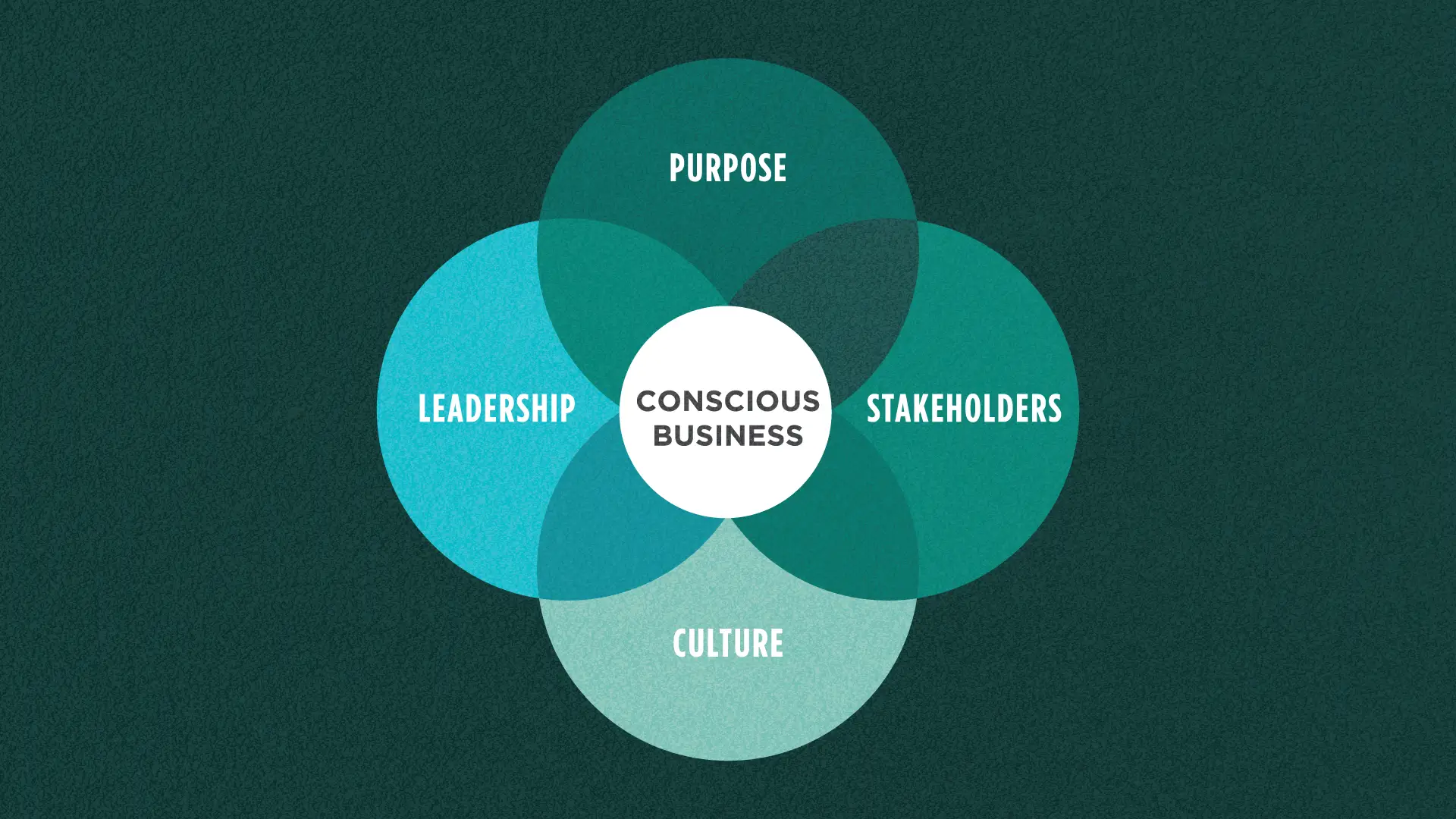
Our Business Assessment provides a structured evaluation across Purpose, Leadership, Culture, Stakeholder Orientation, and Operations, capturing perspectives from leadership and across your organization to reveal where alignment is strong and where intention isn’t yet translating into experience.

Companies that have completed the assessment use it as a strategic compass, identifying where cross-level consistency is strong, where perception gaps exist, and what it will take to move from aligned to advanced. Whether you’re looking to sharpen your purpose, deepen stakeholder engagement, or strengthen leadership behaviors across every level, the assessment gives you the clarity to act with confidence. Take the first step toward measurable, conscious growth.

Resources

case studies, white papers, and more

Podcast Episodes

Curated for you
Your assessment indicates that while executive leadership demonstrates strong intent, lower skip-level perceptions reflect “inconsistent modeling and uneven leadership practices” deeper in the organization. As noted in this episode, this is a classic symptom of an organization where “purpose goes to die in middle management” because the layer below the senior team has not been effectively equipped to translate the vision

Deploy Targeted Middle-Management Development: Do not assume your directors and managers know how to lead consciously. Shift their mindsets away from merely managing operational functions toward actively connecting their teams to the broader purpose.

Vocalize the “Unspeakable”: Encourage senior leaders to explicitly connect their deeply held personal values to their daily business operations. This transparency gives middle management the permission and blueprint to bring their own values into the workplace, closing the authenticity gap.

The report identifies an opportunity to “make purpose more visible as a practical decision guide” rather than letting it serve as a philosophical, assumed backdrop. Warner explicitly addresses this, noting that a declared purpose is useless unless it points the organization in a specific direction when difficult situations arise.

Operationalize Purpose Through Visible Action: Purpose lives in “conversation and action,” not in plaques or videos. Use your purpose as a highly visible filter for capital allocation—whether remodeling facilities or distributing line-staff bonuses—so skip-level employees see physical proof that leadership is serious.

Conduct Cross-Functional Purpose Mapping: Engage employees from various parts of the organization in workshops to map out exactly what the company’s high-level purpose and vision mean for their specific daily tasks and routines.

To bridge the gap between Ocaquatics’ leadership intent and the lived experience of the skip-level team, you must recognize the structural challenges of scaling. Parsons notes that when frontline leaders are no longer “one or two clicks away” from the founder, implicit cultural norms fail, creating misalignment and confusion.

Codify the Implicit: Transition Ocaquatics’ culture from an implicit “founder’s mentality” to a set of explicit, defined adjectives and values (e.g., empathy, integrity) so that new managers and skip-level employees share a common framing language.

Establish a Behavioral Barometer: Use these explicit values as a strict barometer to govern how managers respond in competitive situations and how they treat team members, ensuring a uniform leadership experience across all levels of the enterprise.

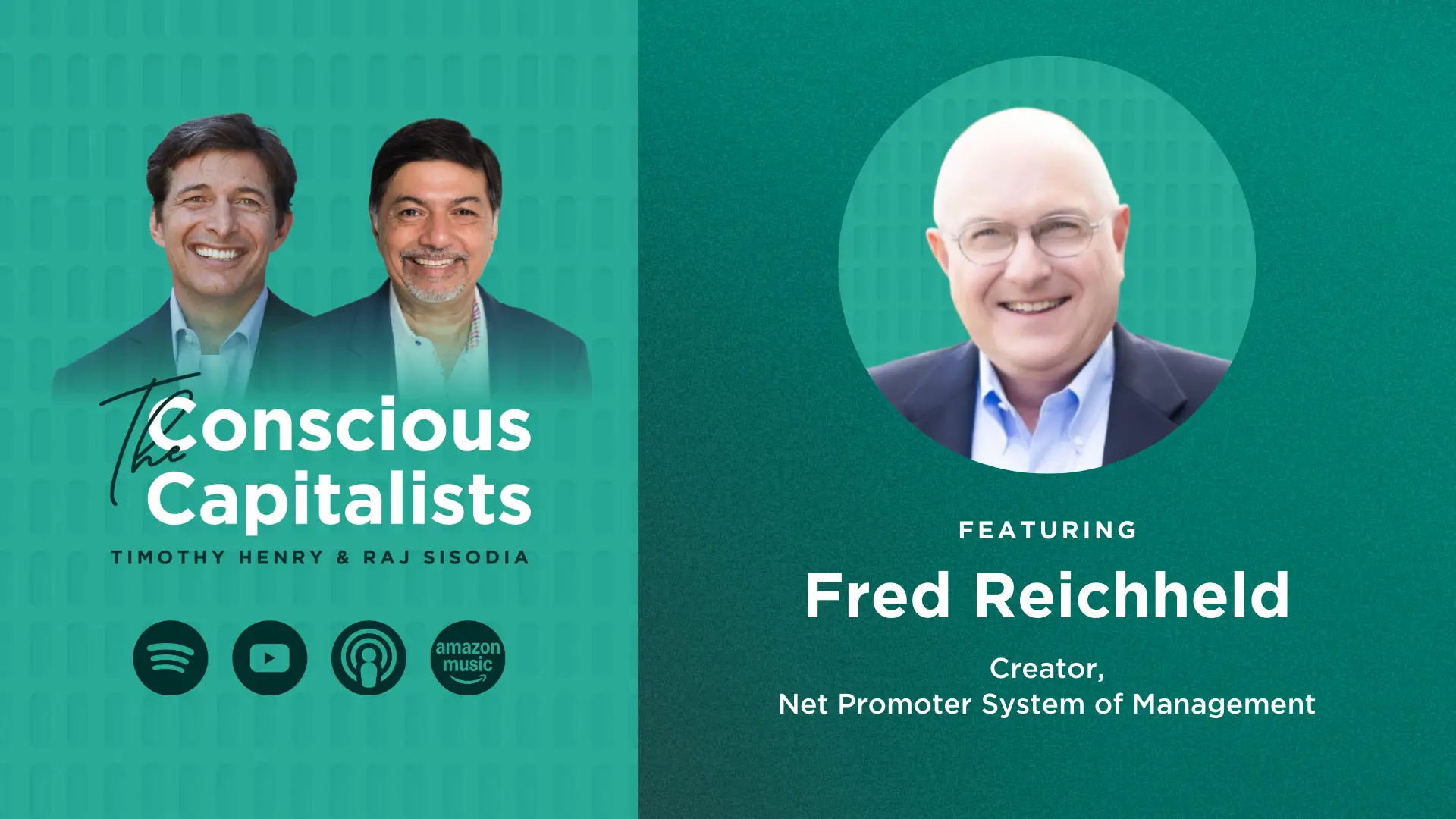
Your data reveals an isolated but critical friction point: a “weaker perceived connection between the organization’s purpose and the value it creates for customers as a core stakeholder”. Reichheld provides a tactical framework for strengthening stakeholder orientation consistency, ensuring skip-level teams see the direct impact of their work on the customer.

Implement Purpose-Driven Huddles: Institute weekly team huddles at the skip-level that launch with specific questions regarding how proud the team is of the value they delivered to customers that week.

Create Immediate Feedback Loops: Use the results of these localized huddles to help office heads and executives immediately spot barriers that prevent teams from serving stakeholders effectively, simultaneously re-centering the team on the company’s core mission.

Upcoming Events

Coaching Session

Our coaching services are designed to empower leaders and teams to overcome challenges and achieve their goals. Discover tailored methodologies and experienced coaches ready to guide you on your journey to success.

Sign up for our weekly newsletter, The Briefing, for curated insights to help you navigate the evolving world of ethical business and purposeful leadership.

Sign Up →

Upcoming Events

Coaching Session

Our coaching services are designed to empower leaders and teams to overcome challenges and achieve their goals. Discover tailored methodologies and experienced coaches ready to guide you on your journey to success.

Sign up for our weekly newsletter, The Briefing, for curated insights to help you navigate the evolving world of ethical business and purposeful leadership. Sign Up →